
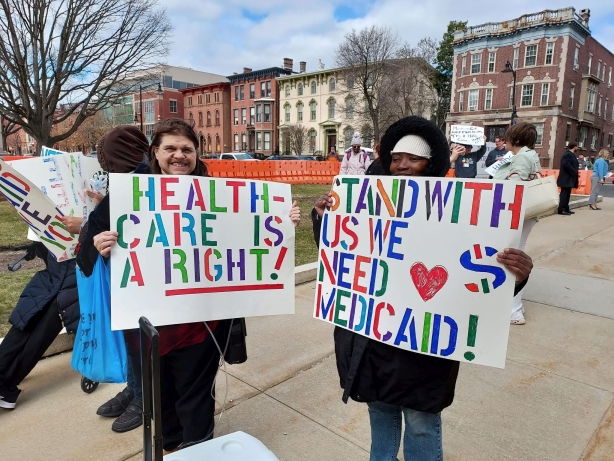
For many people with disabilities, Medicaid goes far beyond health insurance. It provides the services and support that help people live independently, work productive jobs and be active members of their communities.
In New Jersey, Medicaid is provided through NJ FamilyCare, which covers more than 1.8 million residents. Coverage can include critical home- and community-based services, or HCBS, that support independence and help people remain in the places they know and love.
That is why significant changes to Medicaid at the federal level needs our attention.
The federal budget reconciliation law enacted in 2025 includes major changes to Medicaid, some of which will begin affecting NJ FamilyCare members this fall, with additional requirements taking effect January 1, 2027. That’s when certain adults (ages 19 to 64) will be required to meet new “community engagement” requirements to maintain NJ FamilyCare coverage, which can include working, attending school or volunteering. Many of those members will also need to renew their coverage every six months instead of annually.
Some people with disabilities enrolled through other Medicaid eligibility categories may qualify for an exemption if a disability or serious health condition makes it difficult to meet the requirements.
Even if many people with intellectual and developmental disabilities are not directly affected by the new requirements, the broader changes to Medicaid matter to our entire community.
Medicaid funds HCBS which help people with disabilities to live more independently. In New Jersey, those services include the DDD Supports Program and Community Care Program.
There is also concern about the broader impact that reduced federal Medicaid funding and the increased strain on the system could have on HCBS, eligibility and enrollment, provider reimbursement rates and the direct-support workforce.
At Community Access Unlimited, we know what those services mean in people’s everyday lives. For members and families, the most important thing right now is to make sure your contact information with NJ FamilyCare is current, and then watch for letters, emails or texts from either NJ FamilyCare or your health plan, and respond promptly when information is requested. Members should continue to apply for or renew coverage even if they believe the new rules may affect their eligibility.
And there is one particularly simple step that can make a big difference: open your mail. If NJ FamilyCare asks for additional information, respond as soon as possible to help avoid a gap in coverage.
As these changes are implemented, CAU will continue to follow their impact, share important information with members and families, and advocate for access to the services and support people with disabilities need to live independently.
There will be more information in the months ahead. For now, stay informed, pay attention to communications about your NJ FamilyCare coverage and ask for help if you are unsure how the changes apply to you.